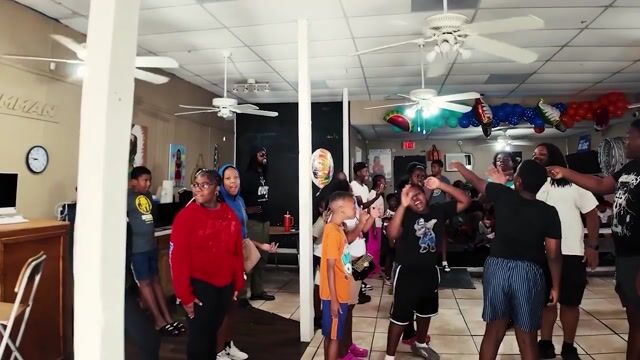
April 25, 2026 · The Met · Hope Artiste Village · Pawtucket, RI
"Cold Rain" · Talib Kweli · Gutter Rainbows, 2011
Scroll ↓
We are Civic Designers — a nonprofit built from the conviction that the knowledge communities carry through lived experience, oral tradition, and collective memory is not secondary to official history. It is the primary text. Our work is building the infrastructure to surface it, hold it spatially, and connect it across time — so it doesn't disappear when the people who carry it are gone.
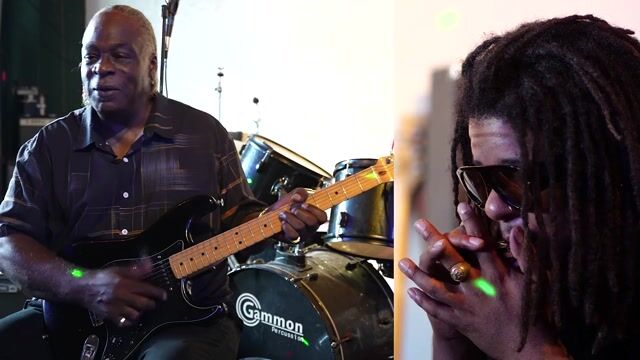
We work at the intersection of community organizing, documentary practice, and emerging technology. We believe in the power of the question — not as a path to a quick answer, but as the way people find themselves in relation to each other and to what came before. We believe that art, music, and civic action have always been the same work. And we believe that the tradition of consciousness — of naming what is, bearing witness to it, and refusing to let it be forgotten — runs from the civil rights movement through the blues through hip-hop into everything we build.
This is a private introduction. We made it for you because the connections between your work and ours were already there — before we ever sat down to look.
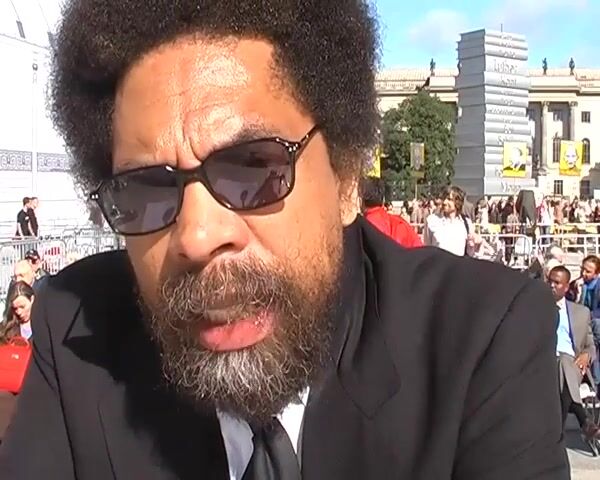
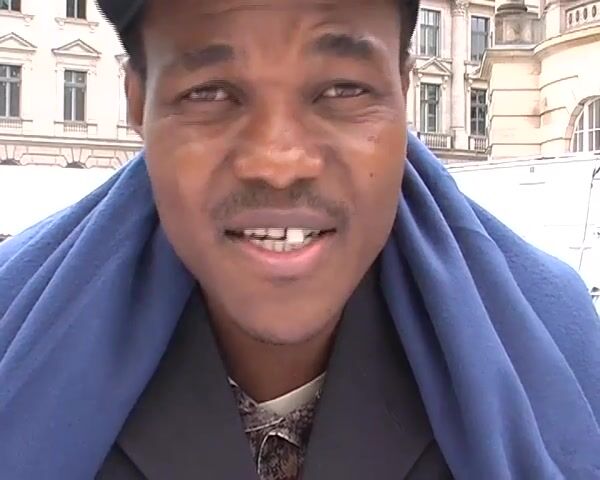
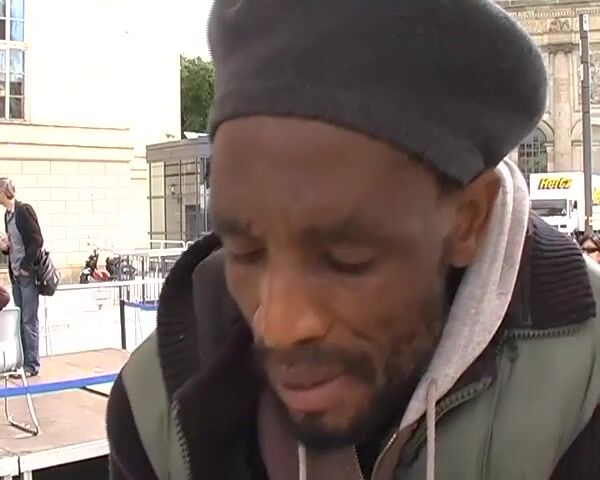
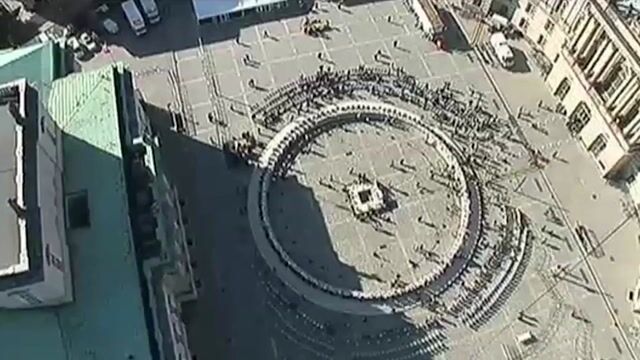
Berlin, 2006. Click to hear them. This is the archive OVU is carrying forward.
"For Women" · Reflection Eternal (Hi-Tek & Talib Kweli) · 2000 · from Nina Simone's "Four Women" (1966)
107 years old, on the 2 train in Brooklyn. Her memory is not nostalgia — it is a spatial document. She carried a century. It's what we build 360° environments to hold — so that knowledge doesn't disappear when the carrier is gone.
What would it mean to walk through her memory?
The blues didn't survive through text. It survived because people held it — in Clarksdale juke joints, in church basements, in what got passed mouth to ear across generations. That woman on the Brooklyn train that you put in "For Women" — she was a living archive. Her presence carried a century. When she was gone, the question was: what do you build so that kind of knowledge doesn't disappear?
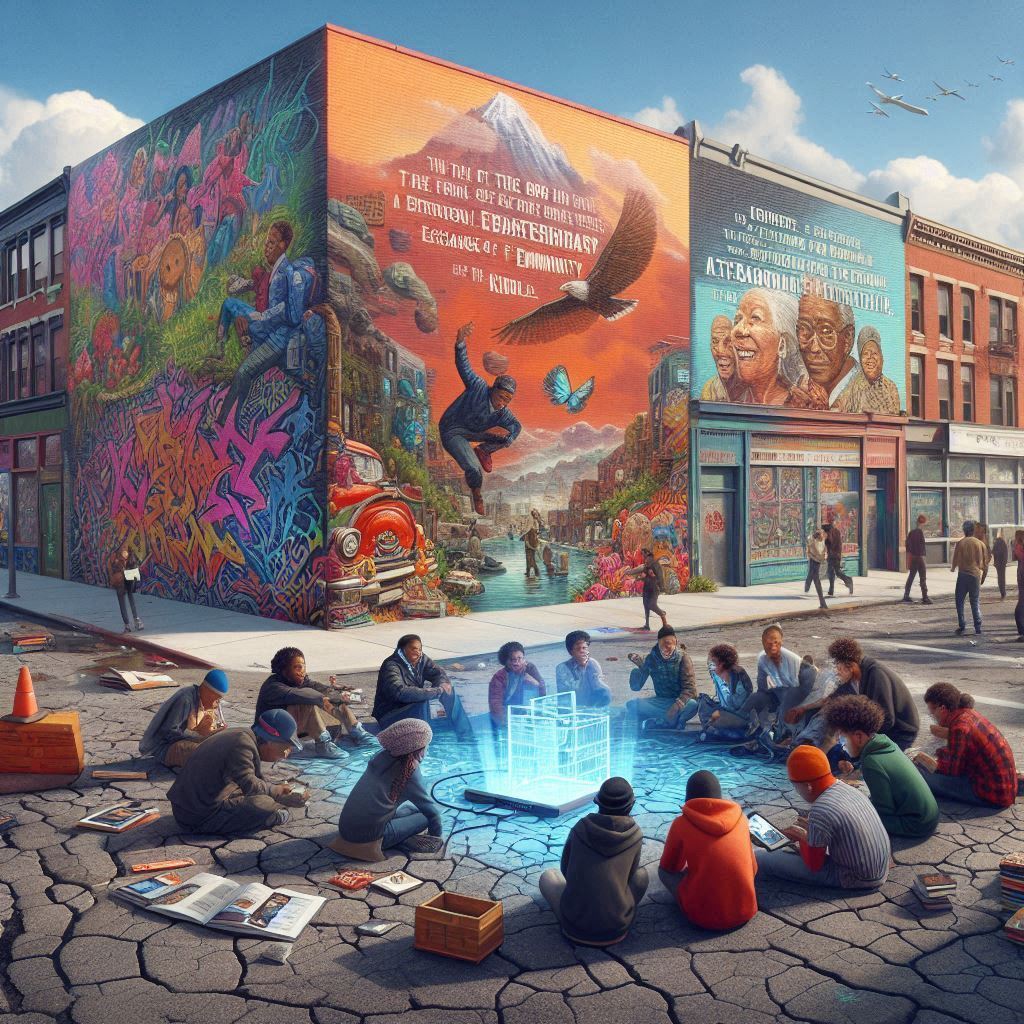
Civic Designers builds 360° immersive environments that hold community memory spatially — so you don't just read about a place, you move through it. You encounter testimony. You hear voices in the room. These are not documentaries made about communities. They are documents built with them — co-created, community-owned, and designed to last.
The applications span museums, schools, cultural institutions, and civic spaces. As spatial computing matures — headsets, glasses, the immersive web — these environments are already built for that future. We built them now because the communities they document are here now, and memory has a timestamp.
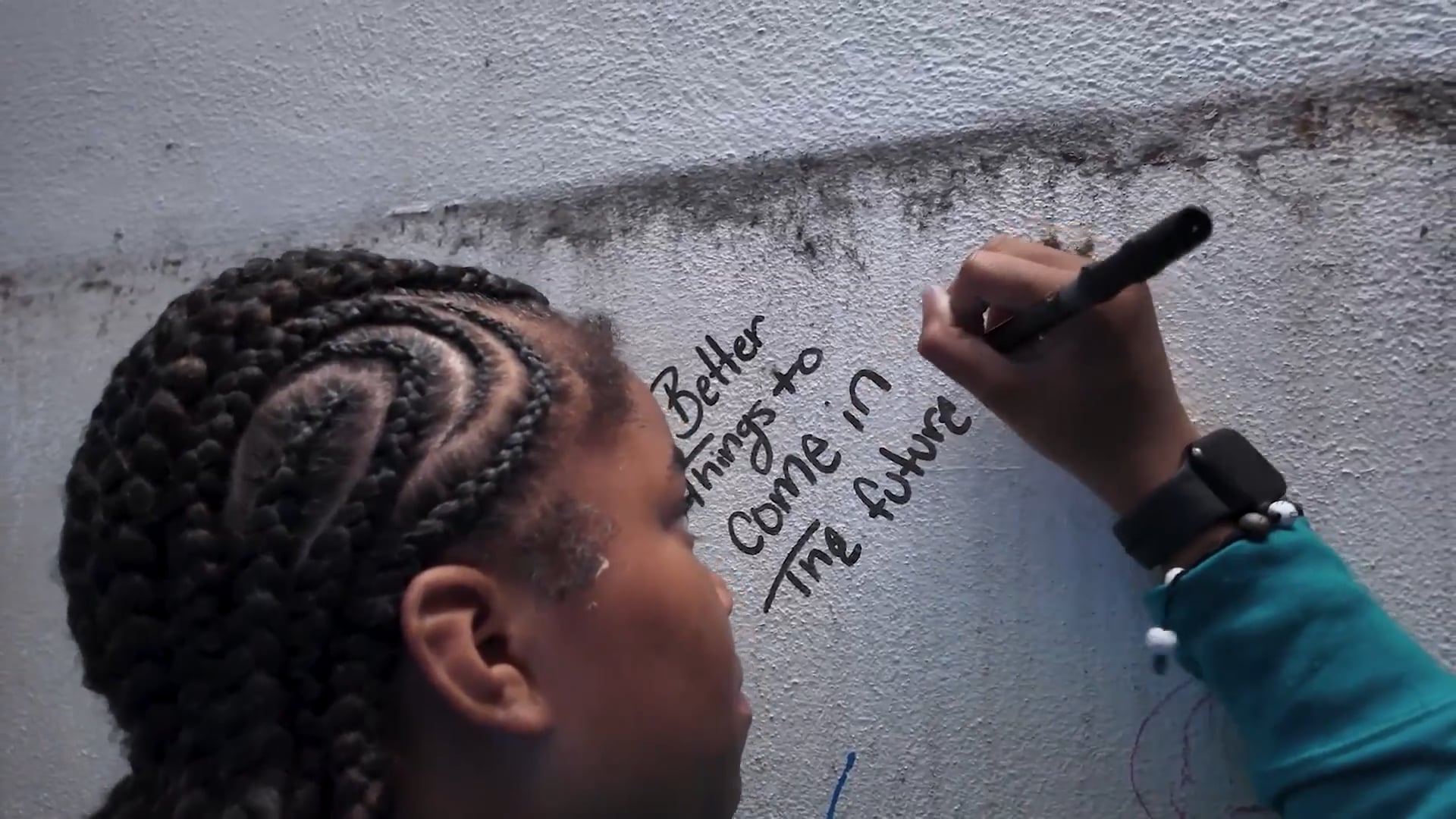
"The Beautiful Struggle" (title track) · 2004
Relevance isn't granted. It's earned — by the quality of what you do and who you do it for. That's the standard in the music. It's the standard in the work.
The obligation to community. The voices that witness. The question as the way people find each other across time. The archive that holds what would otherwise disappear. The knowledge was already there — in your music, in this building, in Berlin in 2006. We'd love to start a conversation.
"Feel the cold rain — still I'm standing right here."
— Talib Kweli · Cold Rain · Gutter Rainbows, 2011